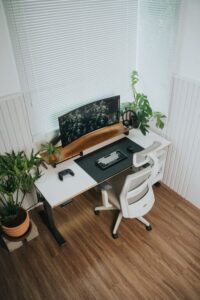
Tips for Creating a Relaxing Home Workspace to Boost Productivity
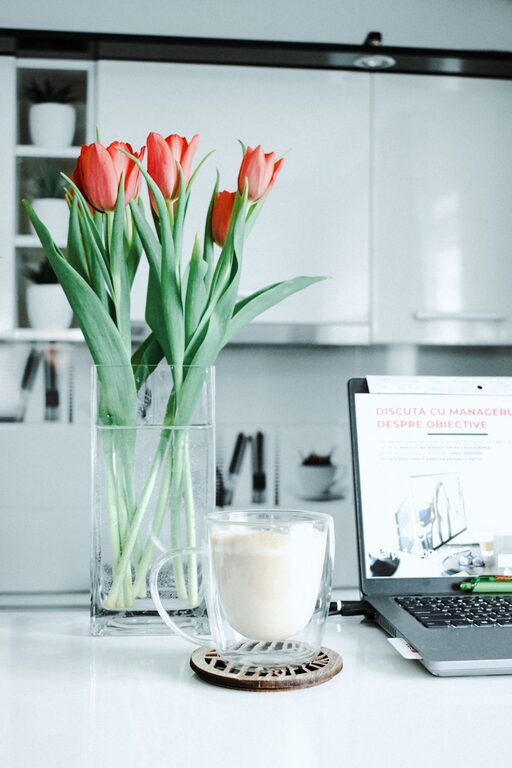
Creating a relaxing home workspace is essential for staying productive and comfortable while working remotely. A well-designed environment can reduce stress, improve focus, and make your workday much more enjoyable. Whether you have a dedicated room or a small corner, there are simple steps you can take to create a peaceful and efficient workspace. In this post, we’ll explore practical tips to help you set up a home workspace that supports both relaxation and productivity.
1. Choose the Right Spot
Finding the ideal location for your workspace is the first step. Ideally, select a quiet area with minimal distractions. Natural light is important for your wellbeing and helps keep your energy levels up throughout the day.
– Near a window: Natural sunlight boosts mood and reduces eye strain.
– Away from noise: Locate your workspace in a quiet part of your home.
– Separate from relaxation areas: Avoid working from your bed or couch to mentally separate work from rest.
2. Invest in Comfortable Furniture
Comfort is key to maintaining focus for long periods. Invest in ergonomic furniture that supports good posture.
– Ergonomic chair: Choose a chair with good lumbar support and adjustable height.
– Desk at proper height: Your desk should allow your elbows to be at a 90-degree angle when typing.
– Footrest: If your feet don’t rest flat on the floor, consider a footrest.
Comfortable furniture helps prevent fatigue and physical discomfort, letting you work more efficiently.
3. Declutter and Organize
A clean and organized workspace reduces distractions and promotes a clear mind.
– Keep only essentials on your desk: Remove unnecessary items that can clutter your workspace.
– Use storage solutions: Consider drawers, shelves, or organizers to keep supplies neatly stored.
– Organize cables: Use cable clips or sleeves to prevent tangled cords.
Taking a few minutes each day to tidy up can have a big impact on your focus and stress levels.
4. Use Calming Colors and Decor
The color and décor of your workspace affect your mood and productivity.
– Choose soft, neutral colors: Shades like light blue, green, or beige can promote calmness.
– Add plants: Greenery enhances air quality and creates a soothing ambiance.
– Personal touches: Include art or photos that inspire you but keep decorations minimal to avoid clutter.
A tranquil environment can help you stay relaxed and reduce mental fatigue.
5. Control Lighting
Proper lighting reduces eye strain and helps maintain your natural circadian rhythm.
– Maximize natural light: Open blinds or curtains during the day.
– Use warm, adjustable lighting: A desk lamp with adjustable brightness helps during evening work.
– Avoid harsh overhead lights: Soft, diffused lighting is easier on the eyes.
Good lighting supports comfort and productivity by reducing headaches and fatigue.
6. Minimize Noise Distractions
Noise can break your concentration, so finding ways to manage sound is important.
– Use noise-cancelling headphones: These can help block out background noise.
– Play soft background music: Instrumental or ambient sounds aid focus for many people.
– Add soft furnishings: Rugs or curtains can reduce echo and absorb sound.
Creating a quiet environment encourages longer bouts of focused work.
7. Incorporate Break Spaces
Design your workspace to encourage short breaks, which improve productivity and reduce burnout.
– Have a separate spot for breaks: If possible, create a cozy corner with a comfortable chair.
– Use a timer: Follow the Pomodoro Technique (25 minutes work, 5 minutes break) to stay refreshed.
– Stretch frequently: Stand and stretch or take a brief walk to boost circulation.
Regular breaks help maintain energy and prevent mental fatigue.
8. Keep Technology Organized and Updated
Smooth technology use is essential for an efficient home workspace.
– Invest in reliable equipment: A good computer, keyboard, and mouse can improve comfort.
– Manage cables and devices: Keep charging stations and cables tidy.
– Regularly update software: Keeping your tools up to date prevents interruptions.
An organized and functioning tech setup helps you work without frustration.
9. Personalize Your Workspace Mindfully
Personal touches make your workspace inviting and motivate you to work, but too much clutter can be distracting.
– Display motivational quotes or reminders.
– Use a calendar or planner to stay organized.
– Add small, inspiring objects that make you happy.
Balance personalization with tidiness to keep your workspace both welcoming and productive.
Conclusion
Creating a relaxing home workspace is about finding the right balance between comfort, organization, and inspiration. By paying attention to your environment—lighting, furniture, noise, and clutter—you can transform your work area into a place that supports focus and well-being. Small changes can make a big difference in how you feel and perform during the workday. Start with a few tips from this guide, and gradually build a workspace where you can thrive comfortably.